The Checkbox Label: One Printed Label That Handles Every Flavor You Sell.
A checkbox label lets one printed design cover your whole candy menu. Learn the packing table routine, marking rules, and label details to check.
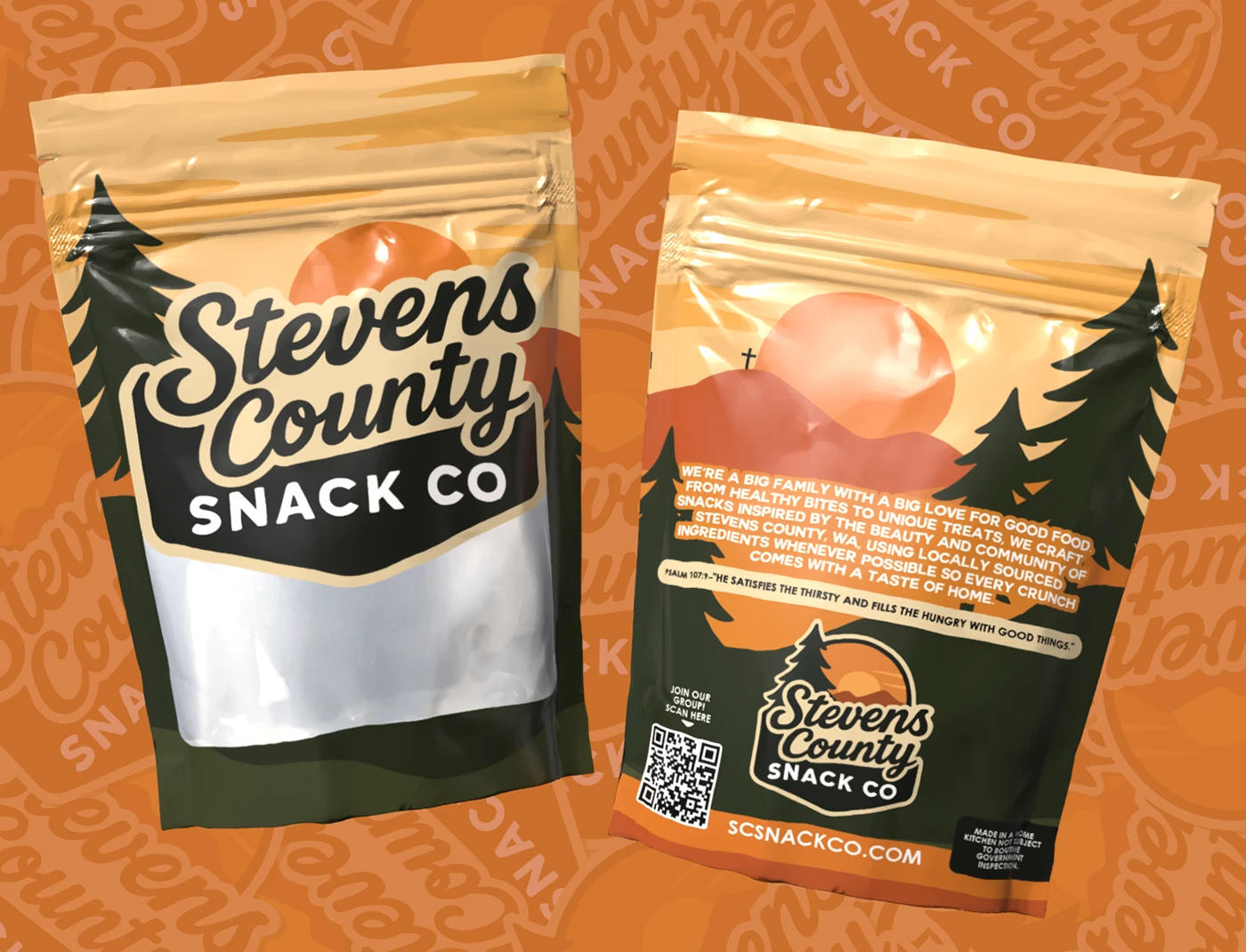
The packing table tells the truth about a label system. Music is on, bags are waiting, and a market deadline is getting close. If you have to hunt through a box of separate rolls every time the flavor changes, the slowdown is not your imagination. It is built into the process.
A checkbox label simplifies the physical job. One printed label lists your flavors, each with an empty box beside it. You apply the same label to every package, then mark the box for the flavor inside. The brand, package information, and flavor list are already printed. Your hand adds one clear mark.
It sounds simple because it is. The trick is setting it up so the mark is easy to make, easy to read, and hard to get wrong when you are tired.
Set the table before the candy comes out.
Work in batches by flavor. Put the finished candy, the right bags, one label roll, and your marking pen in the same work area. Clear away labels for other products so an old roll does not wander into the run.
Before the first package, say the flavor out loud or point to it on your batch sheet. That small pause matters more than it sounds. Most packing mistakes happen when hands move on habit while your mind is already on the next tray.
Use the same order every time. Fill and prepare the package. Apply the label. Mark the flavor. Check the mark. Seal according to your normal process. A routine you can repeat is faster than a clever routine you have to remember.
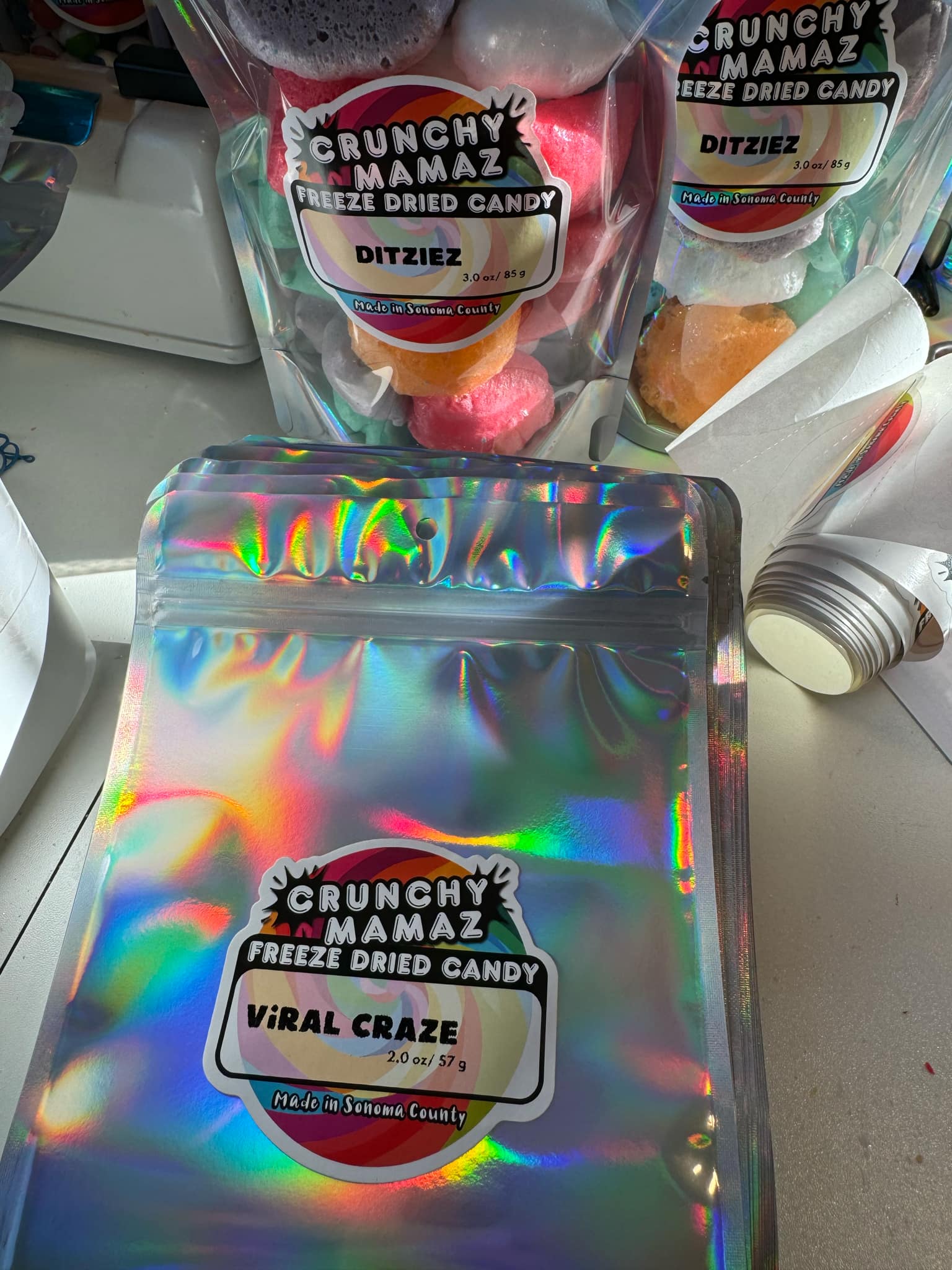
Make the mark like you mean it.
Choose a pen or marker that shows up clearly on the label material and does not smear when handled. Test it on a spare label before a real run. Let it dry, rub it lightly, and look at it under the light your customers will have at a market. A pretty mark that fades into the background is not a working mark.
Fill the box or make a bold check that stays inside the flavor row. Do not use a tiny dot that could belong to the line above or below. If your handwriting is part of the process, make it boring. Packing day is not the place for a new style.
Mark one package at a time, or mark a small group only if you check each one before moving on. Stacking twenty finished bags and hoping the order stayed straight is how a peach label lands on a watermelon batch.
Build the list for fast hands.
Arrange the flavors in the order you actually pack or sell them. Best sellers near the top are easy to find. Alphabetical order can work if your team thinks that way. Pick one logic and keep it from run to run.
Leave a write in line if you test new flavors. It gives a limited batch a home without forcing a reprint, but write the name clearly and make sure the rest of the label still fits that product. A write in flavor is not permission to ignore different ingredients or allergens.
Watch the list length. A label crowded with tiny type slows packing and frustrates buyers. If the menu has grown so much that flavors need a magnifying glass, split the line into logical groups or use separate base labels. The system should reduce effort, not create a puzzle.
Keep the compliance details separate from the check mark.
The checkbox identifies the flavor. It does not replace the rest of the label. Your business information, product name, net weight, ingredients, allergen information, and any state required wording still need to be handled correctly.
Shared information can be printed on the base label when it truly stays the same across the flavors. Be careful when it does not. If one flavor contains an allergen the others do not, or the ingredient statement changes in a meaningful way, the label must make that clear. Some sellers add allergen checkboxes beside the flavors. Others use a different base label for a product family. Choose the version a buyer can understand without guessing.
Also check the date plan. If every package in a batch uses the same best by or packed on date, print or apply it the same way each time. If dates change by flavor, keep those batches physically separate until they are marked and checked.
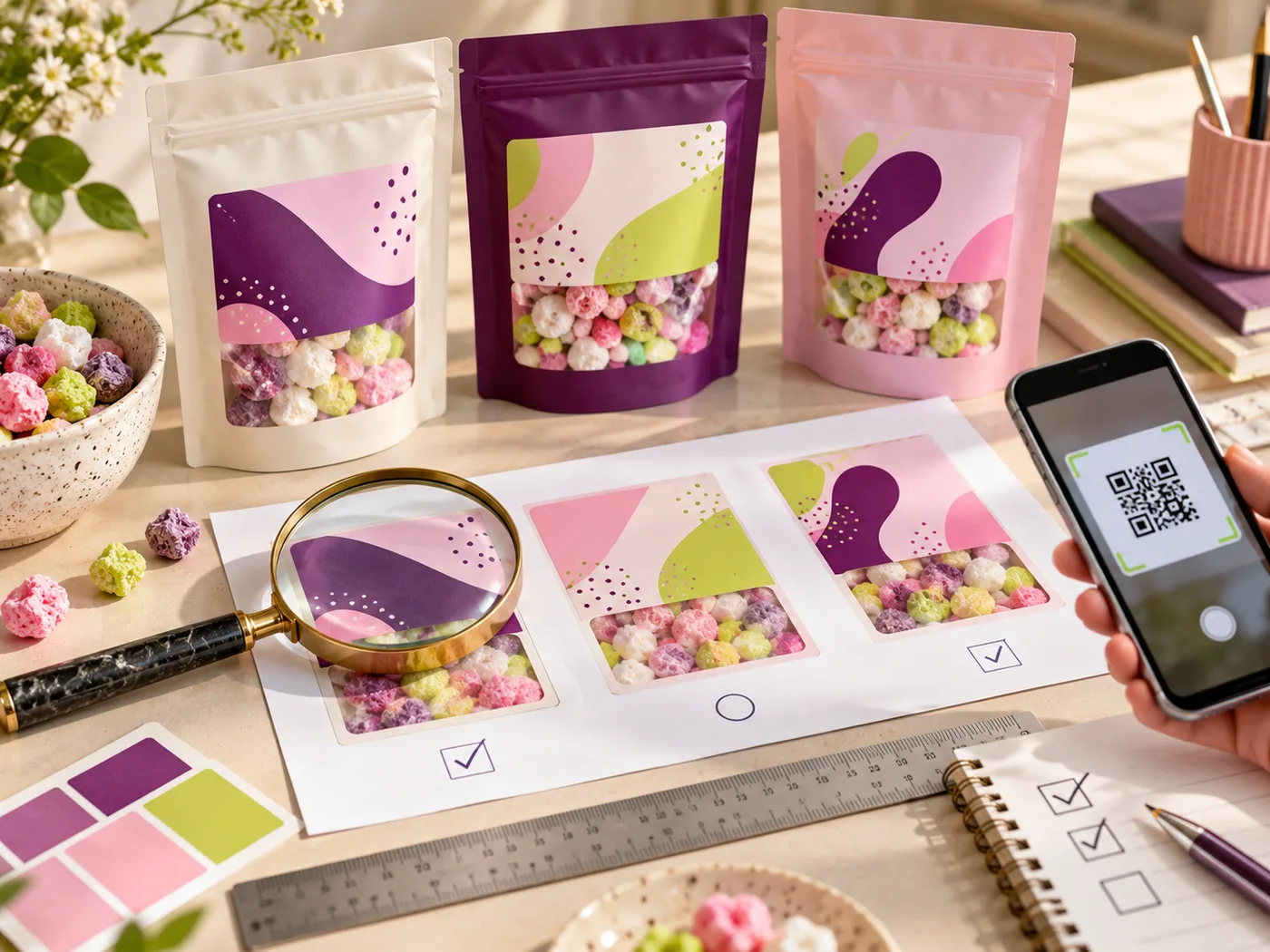
Do a last sweep before sealing the tote.
When the batch is done, pick up packages from the beginning, middle, and end of the run. Read the flavor. Look inside if the package allows it. Confirm the check is on the right line and the mark is still clear. This takes a minute and catches the one mistake that repeated itself after a distraction.
That is the real promise of a checkbox label. It is not a shortcut around good labeling. It is one dependable label, one clear mark, and a packing routine that can handle a whole menu without turning every flavor into its own supply problem.
Tool link: Checkbox Label System
Examples are illustrative unless stated otherwise. These guides use AI-assisted drafting and do not represent product tests or guaranteed business results. Read our editorial approach.